The Complex Legacy of Article 370 and 35A – Unraveling the Constitutional Threads in Jammu and Kashmir
Starting To Introduction –
Article 370 and Article 35A, two constitutional provisions that were previously the center of debates and conversations, have significantly impacted the socio-political environment of Jammu and Kashmir. These provisions were specific to the state, giving it a distinct status within the Indian Union. The constitutional evolution of Article 370 and the legal complexities related to Article 35A have sparked various discussions over the years, evoking strong emotions and influencing the dynamics of the region’s relationship with the rest of India.
Understanding The Article 370 –
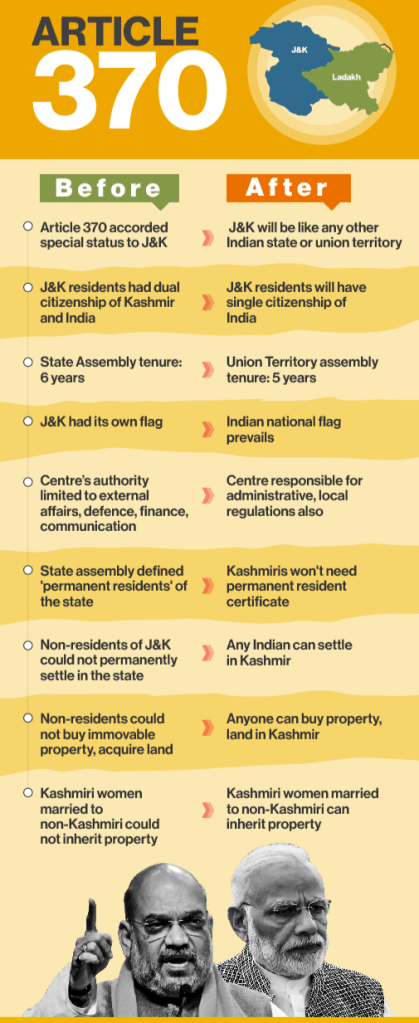
Article 370 was added to the Indian Constitution to grant temporary special autonomy to the state of Jammu and Kashmir. It was a result of the Instrument of Accession signed by the Maharaja of Jammu and Kashmir in 1947, allowing the state to join the newly formed Indian Union. This provision gave the state a high level of autonomy, with its own constitution and the power to make laws on most matters except defense, foreign affairs, finance, and communications.
The temporary nature of Article 370 was highlighted by the phrase “temporary provisions,” indicating that it was intended to be a transitional arrangement. However, over time, this temporary provision became a permanent feature, leading to a sense of uncertainty and constitutional complexity.
The Significance of Article 35A –
Article 35A was introduced in 1954 through a Presidential Order under Article 370, granting specific rights and advantages to the inhabitants of Jammu and Kashmir. This provision authorized the state’s legislature to determine permanent residents and grant them exclusive privileges regarding property, employment, and other state benefits. The fundamental purpose of Article 35A was to safeguard the unique identity of Jammu and Kashmir and preserve its demographic makeup.
Controversies Surrounding Article 370 and 35A –
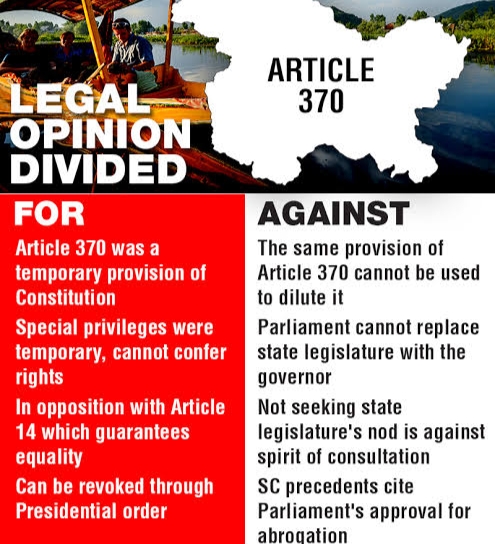
The presence of Article 370 and 35A has been a subject of controversy and discussion for many years. Critics argue that these provisions established a distinct set of laws for Jammu and Kashmir, leading to feelings of isolation and separatism. They believe that the special status granted by Article 370 hindered the integration of Jammu and Kashmir with the rest of India.
On the other hand, supporters of Article 370 and 35A argue that they were necessary to protect the unique identity of Jammu and Kashmir. They argue that these provisions granted the state the autonomy to preserve its culture, traditions, and population, protecting it from potential demographic changes caused by migration.
Abrogation of Article 370 and 35A –
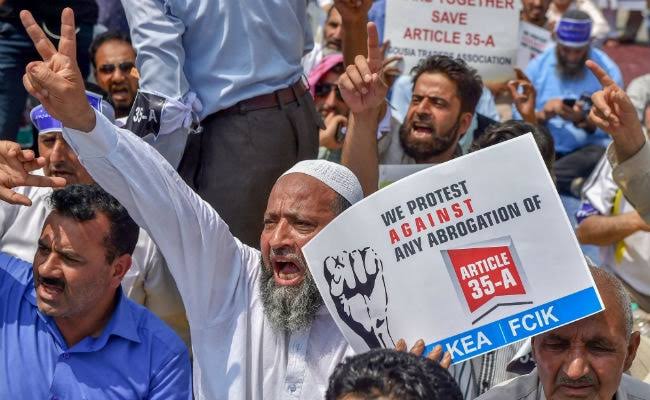
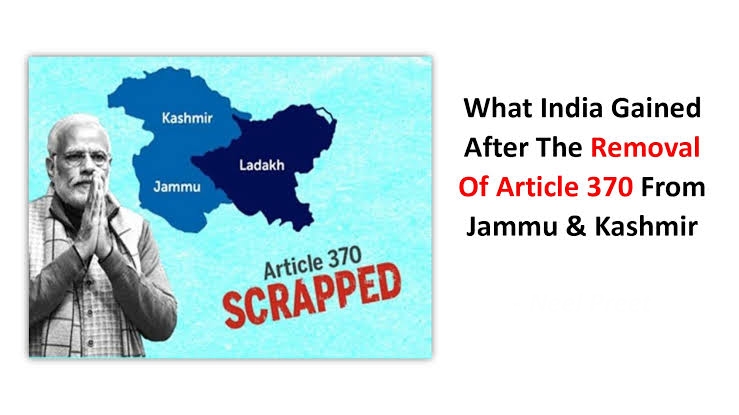
The year 2019 was a significant moment in the constitutional history of Jammu and Kashmir when the Indian government, under the leadership of Prime Minister Narendra Modi, made a bold decision to revoke Article 370 and invalidate Article 35A. This move received a variety of reactions, both domestically and internationally.
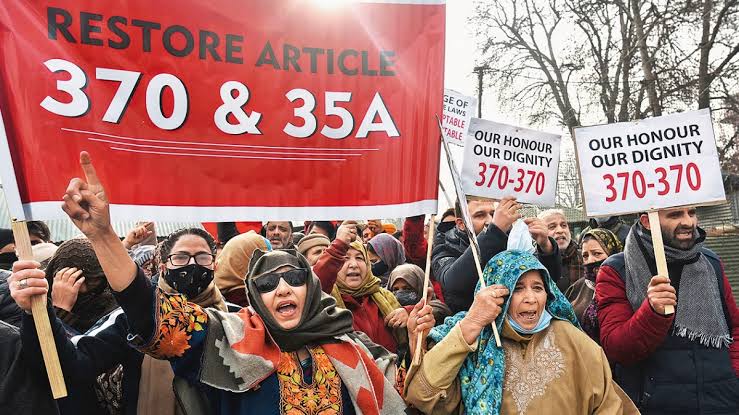
Supporters of the abrogation viewed it as a decisive step to fully integrate Jammu and Kashmir into the Indian Union, promoting unity and development. Critics, on the other hand, expressed concerns about the constitutional legitimacy of the action, suggesting that it could have profound implications for the region’s stability and could potentially violate the rights of the people.
Impact on Jammu and Kashmir –
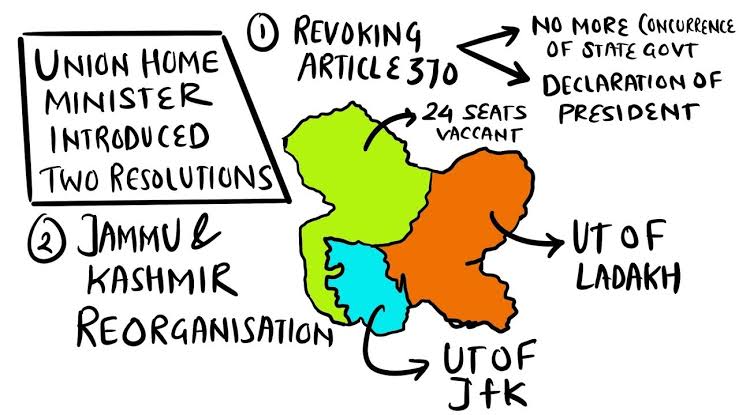
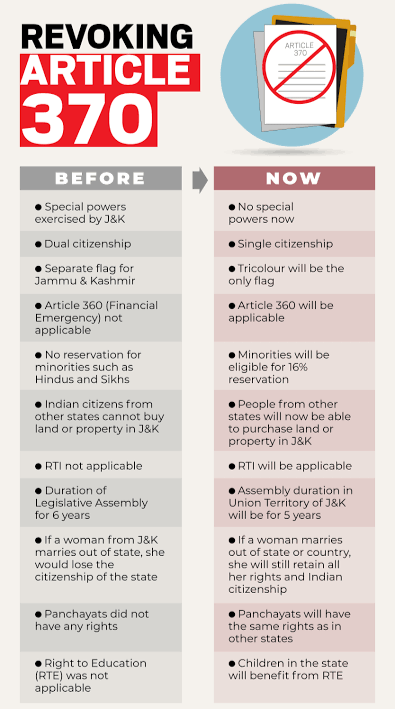
The revocation of Article 370 and Article 35A resulted in the restructuring of the state. Jammu and Kashmir was divided into two separate Union Territories – Jammu & Kashmir and Ladakh. This decision was intended to improve governance, development, and security in the area.
The incorporation of Jammu and Kashmir into the broader legal framework of India meant the expansion of various laws and policies that were previously not applicable. This transition was accompanied by the deployment of extra security forces, a communication blackout, and limitations on movement, which received criticism for encroaching on civil rights.
The Post-Abrogation Scenario –
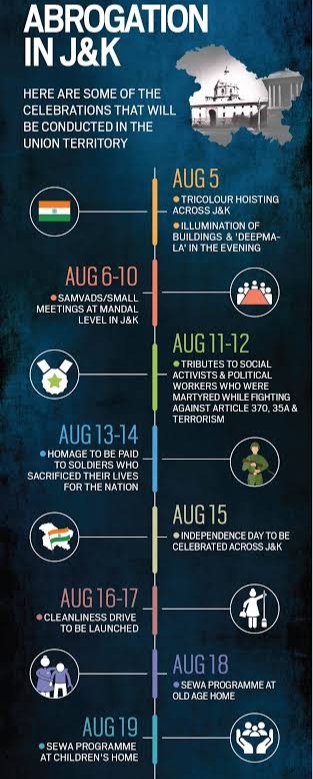
After the abrogation, the region experienced a variety of responses. Some people expressed happiness and approval, while others were worried about the consequences of the decision. The political environment also changed, with established leaders being detained and new political figures coming to the forefront.
There was a renewed focus on economic growth and infrastructure projects, as the government aimed to improve the lives of the people. However, there were obstacles to returning to normalcy, including issues related to human rights, reinstating political procedures, and addressing historical grievances.
Global Response –
The international community took notice of the revocation of Article 370 and Article 35A. Some nations backed India’s authority to make decisions about its territory, while others voiced worries about the situation in Jammu and Kashmir and urged for peaceful dialogue and resolution.
The United Nations Security Council had private discussions on the matter, with different member states offering diverse viewpoints. The global community emphasized the need to address the concerns of the people in Jammu and Kashmir and called for a peaceful resolution through diplomatic channels.
The Path Ahead –
During a time of change in Jammu and Kashmir, the emphasis is on looking ahead. Rebuilding trust, promoting inclusive growth, and addressing the desires of the people are significant challenges. The revival of political activities, the freeing of political prisoners, and meaningful interaction with the residents of Jammu and Kashmir are essential components of this process.
It is crucial to find a middle ground between integrating the region nationally and honoring its distinct identity. A holistic strategy that focuses on economic progress, social equality, and political empowerment can help create a secure and prosperous future for the area.
Summary –
The revocation of Article 370 and 35A has ushered in a new era for Jammu and Kashmir, with implications extending beyond legal and constitutional realms. Moving forward, it is crucial to navigate complexities, address people’s concerns, and integrate the region into the Indian Union while preserving its cultural and historical heritage. The hope is for a future marked by unity, development, and peace, as the journey of Jammu and Kashmir continues.
 EduInsight