The Complicated Impact of Article 370 and 35A – Understanding the Constitutional Aspects in Jammu and Kashmir

The Complex Legacy of Article 370 and 35A – Unraveling the Constitutional Threads in Jammu and Kashmir
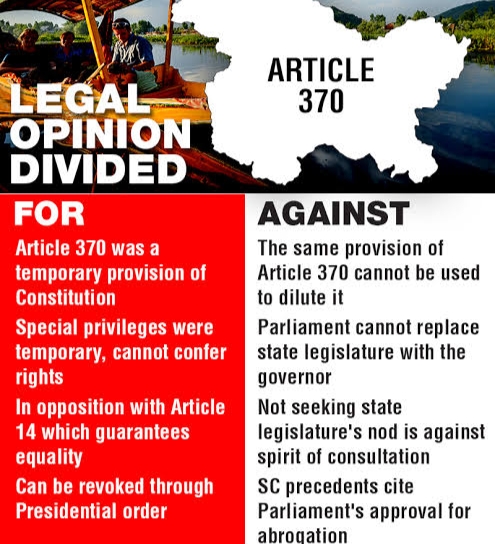
Starting To Introduction –

Article 370 and Article 35A, two constitutional provisions that were previously the center of debates and conversations, have significantly impacted the socio-political environment of Jammu and Kashmir. These provisions were specific to the state, giving it a distinct status within the Indian Union. The constitutional evolution of Article 370 and the legal complexities related to Article 35A have sparked various discussions over the years, evoking strong emotions and influencing the dynamics of the region’s relationship with the rest of India.

Understanding The Article 370 –

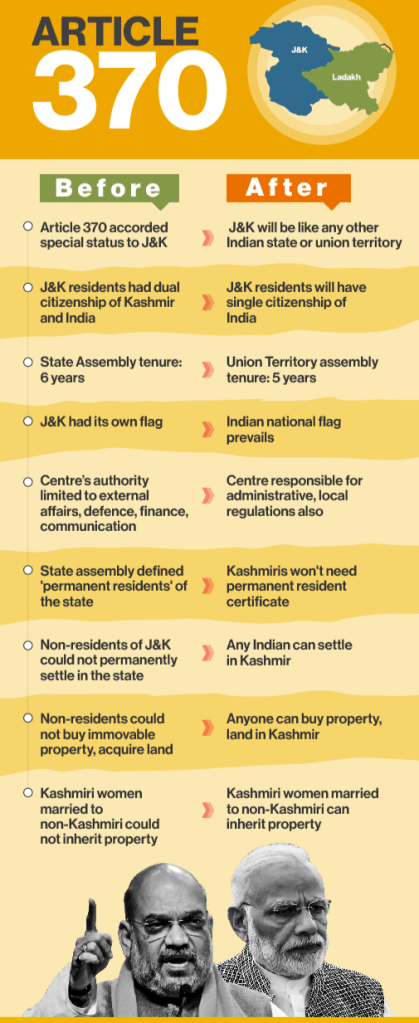
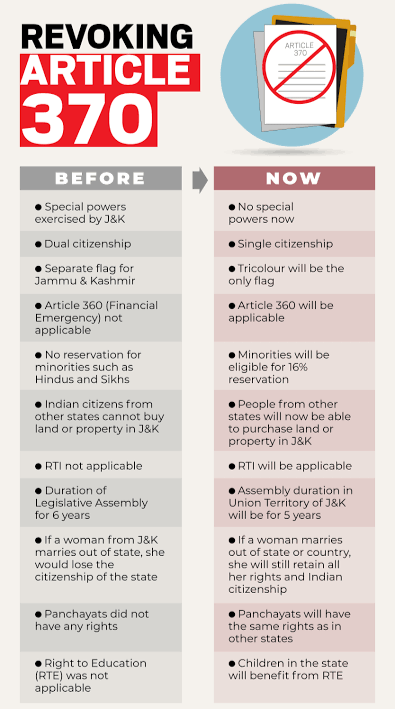
Article 370 was added to the Indian Constitution to grant temporary special autonomy to the state of Jammu and Kashmir. It was a result of the Instrument of Accession signed by the Maharaja of Jammu and Kashmir in 1947, allowing the state to join the newly formed Indian Union. This provision gave the state a high level of autonomy, with its own constitution and the power to make laws on most matters except defense, foreign affairs, finance, and communications.

The temporary nature of Article 370 was highlighted by the phrase “temporary provisions,” indicating that it was intended to be a transitional arrangement. However, over time, this temporary provision became a permanent feature, leading to a sense of uncertainty and constitutional complexity.

The Significance of Article 35A –

Article 35A was introduced in 1954 through a Presidential Order under Article 370, granting specific rights and advantages to the inhabitants of Jammu and Kashmir. This provision authorized the state’s legislature to determine permanent residents and grant them exclusive privileges regarding property, employment, and other state benefits. The fundamental purpose of Article 35A was to safeguard the unique identity of Jammu and Kashmir and preserve its demographic makeup.
Controversies Surrounding Article 370 and 35A

The presence of Article 370 and 35A has been a subject of controversy and discussion for many years. Critics argue that these provisions established a distinct set of laws for Jammu and Kashmir, leading to feelings of isolation and separatism. They believe that the special status granted by Article 370 hindered the integration of Jammu and Kashmir with the rest of India.

On the other hand, supporters of Article 370 and 35A argue that they were necessary to protect the unique identity of Jammu and Kashmir. They argue that these provisions granted the state the autonomy to preserve its culture, traditions, and population, protecting it from potential demographic changes caused by migration.
Abrogation of Article 370 and 35A –

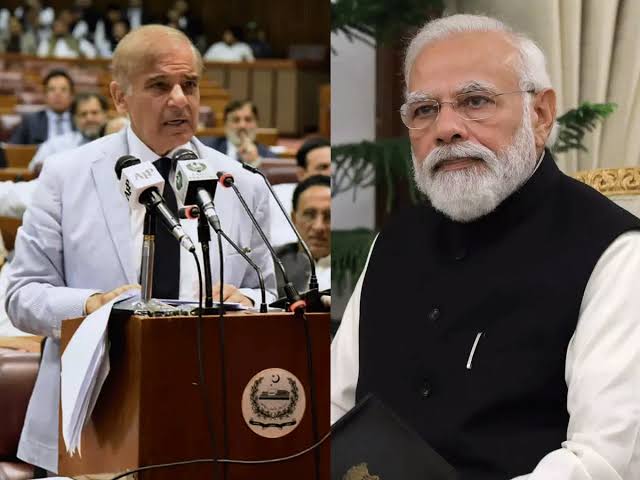
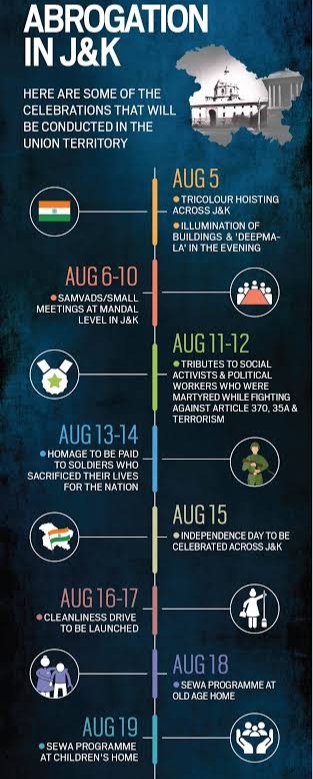
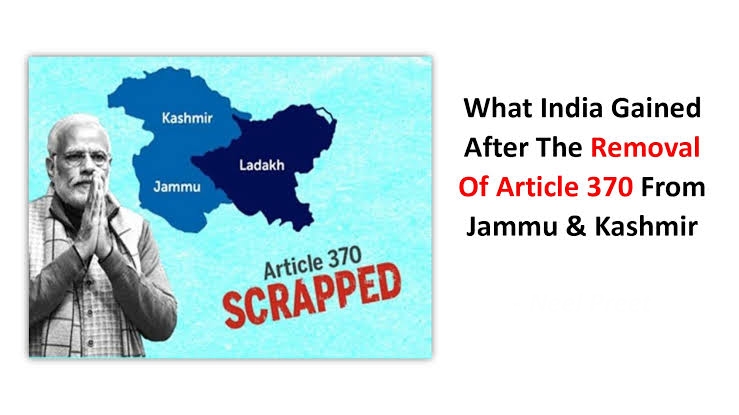
The year 2019 was a significant moment in the constitutional history of Jammu and Kashmir when the Indian government, under the leadership of Prime Minister Narendra Modi, made a bold decision to revoke Article 370 and invalidate Article 35A. This move received a variety of reactions, both domestically and internationally.

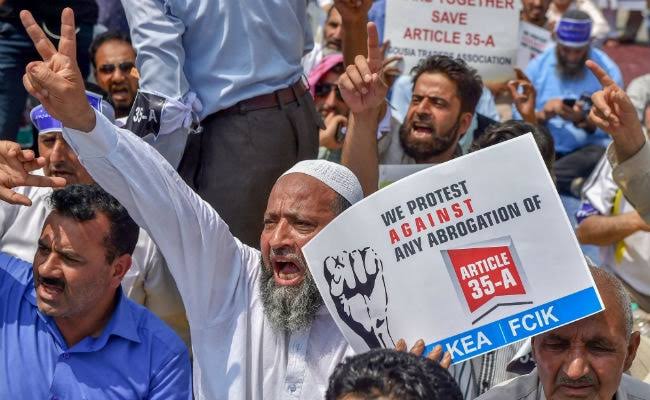
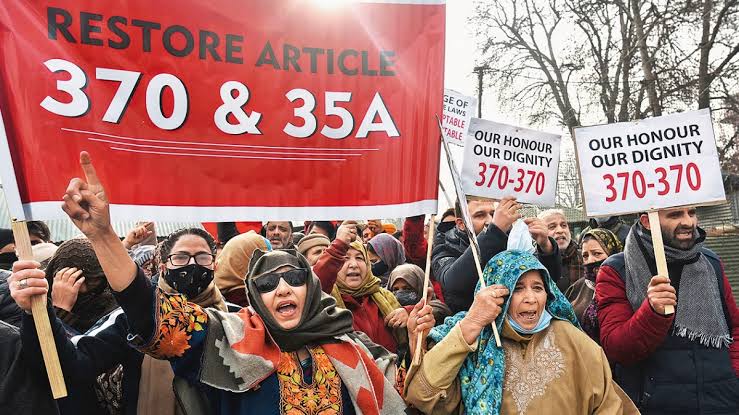
Supporters of the abrogation viewed it as a decisive step to fully integrate Jammu and Kashmir into the Indian Union, promoting unity and development. Critics, on the other hand, expressed concerns about the constitutional legitimacy of the action, suggesting that it could have profound implications for the region’s stability and could potentially violate the rights of the people.
Impact on Jammu and Kashmir –

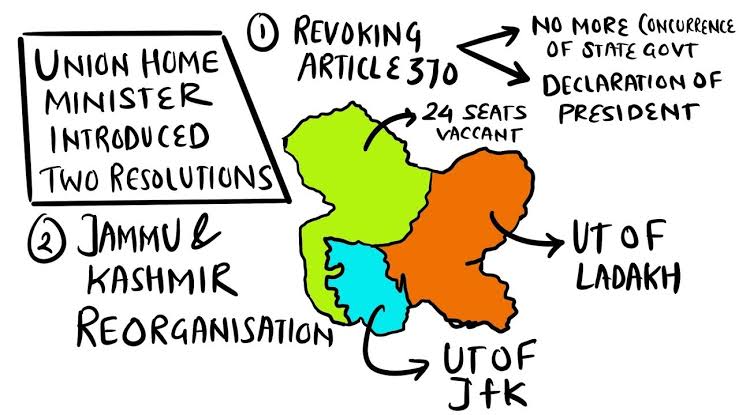
The revocation of Article 370 and Article 35A resulted in the restructuring of the state. Jammu and Kashmir was divided into two separate Union Territories – Jammu & Kashmir and Ladakh. This decision was intended to improve governance, development, and security in the area.

The incorporation of Jammu and Kashmir into the broader legal framework of India meant the expansion of various laws and policies that were previously not applicable. This transition was accompanied by the deployment of extra security forces, a communication blackout, and limitations on movement, which received criticism for encroaching on civil rights.
The Post-Abrogation Scenario –

After the abrogation, the region experienced a variety of responses. Some people expressed happiness and approval, while others were worried about the consequences of the decision. The political environment also changed, with established leaders being detained and new political figures coming to the forefront.

There was a renewed focus on economic growth and infrastructure projects, as the government aimed to improve the lives of the people. However, there were obstacles to returning to normalcy, including issues related to human rights, reinstating political procedures, and addressing historical grievances.
Global Response –

The international community took notice of the revocation of Article 370 and Article 35A. Some nations backed India’s authority to make decisions about its territory, while others voiced worries about the situation in Jammu and Kashmir and urged for peaceful dialogue and resolution.

The United Nations Security Council had private discussions on the matter, with different member states offering diverse viewpoints. The global community emphasized the need to address the concerns of the people in Jammu and Kashmir and called for a peaceful resolution through diplomatic channels.
The Path Ahead –

During a time of change in Jammu and Kashmir, the emphasis is on looking ahead. Rebuilding trust, promoting inclusive growth, and addressing the desires of the people are significant challenges. The revival of political activities, the freeing of political prisoners, and meaningful interaction with the residents of Jammu and Kashmir are essential components of this process.

It is crucial to find a middle ground between integrating the region nationally and honoring its distinct identity. A holistic strategy that focuses on economic progress, social equality, and political empowerment can help create a secure and prosperous future for the area.
Summary –

The revocation of Article 370 and 35A has ushered in a new era for Jammu and Kashmir, with implications extending beyond legal and constitutional realms. Moving forward, it is crucial to navigate complexities, address people’s concerns, and integrate the region into the Indian Union while preserving its cultural and historical heritage. The hope is for a future marked by unity, development, and peace, as the journey of Jammu and Kashmir continues.
India-Pakistan Relations – An Examination of Historical Complexities

India-Pakistan Relations – A Historical Analysis

Starting To Introduction –

The connection between India and Pakistan is characterized by complexity and contention, making it one of the most intricate relationships globally. The history of these two nations has been shaped by a series of conflicts, border disputes, and diplomatic tensions, significantly impacting the geopolitical landscape of South Asia. The partition of British India in 1947 resulted in the formation of two separate nations – India and Pakistan, and since then, the two countries have maintained a multifaceted and often volatile relationship, alternating between periods of diplomatic engagement and heightened military tensions. This article seeks to offer a comprehensive overview of the historical, political, and social factors that have influenced the India-Pakistan relationship.

Partition and Independence

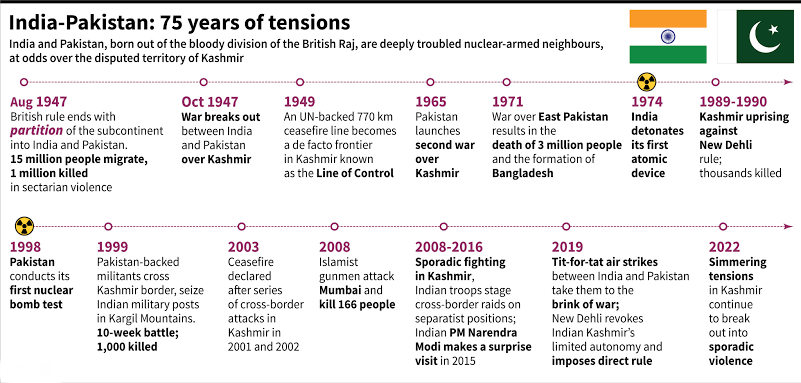
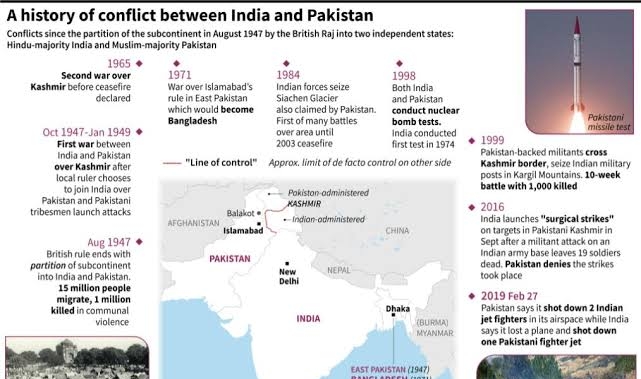
The origins of the relationship between India and Pakistan can be traced back to the partition of British India in 1947. This division, based on religious lines, led to the creation of Hindu-majority India and Muslim-majority Pakistan, and resulted in a significant and violent migration of people. The partition was characterized by communal violence, large-scale migrations, and a substantial loss of life. The enduring impact of this event continues to influence the collective consciousness of both nations, shaping their national identities and perpetuating historical grievances.

Kashmir Conflict –

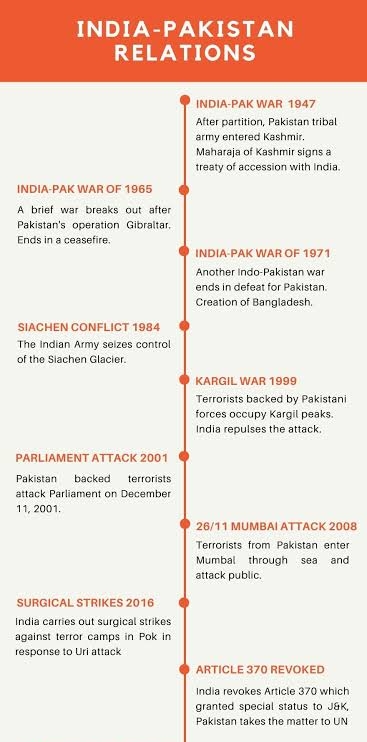
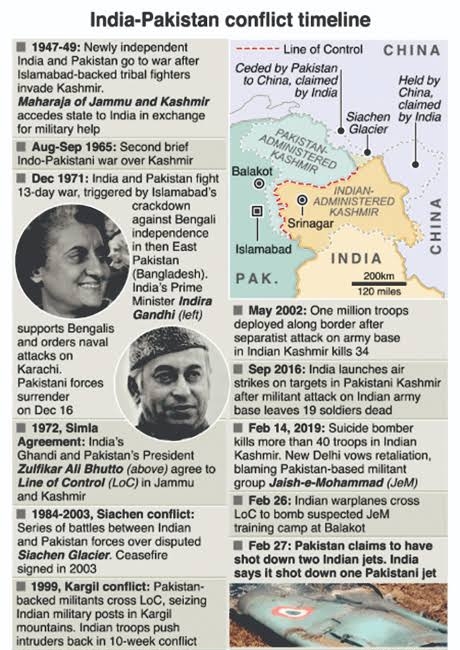
The Kashmir conflict has been a significant source of tension between India and Pakistan for many years. The dispute arose from the princely state of Jammu and Kashmir, which had a Muslim majority but was ruled by a Hindu leader. When the Maharaja decided to accede to India in 1947, it sparked the first Indo-Pakistani war. Since then, the conflict over Kashmir has persisted, with both nations laying claim to the entire region.

The Line of Control (LoC), established following the 1947-48 war, functions as the de facto border in Kashmir. However, numerous armed conflicts, including the wars in 1965 and 1971, as well as the Kargil conflict in 1999, have escalated tensions in the area. The Kashmir issue continues to be a major obstacle in the normalization of relations between the two countries.

Nuclear Proliferation and Deterrence –

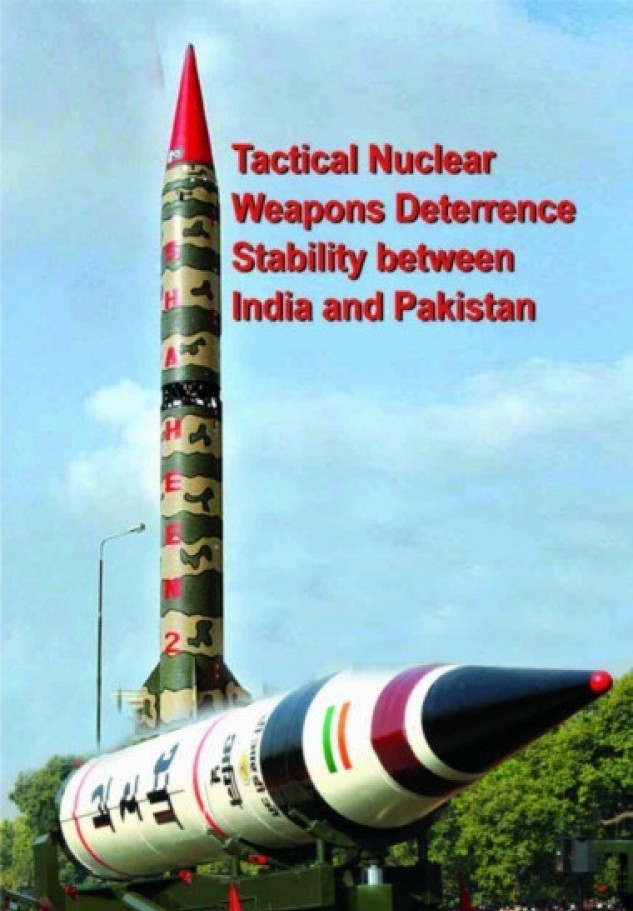
The nuclearization of India and Pakistan in the late 20th century introduced a new layer of complexity to their relationship. In 1998, both nations conducted a series of nuclear tests, demonstrating their nuclear capabilities to the international community. This development brought about a new dynamic known as nuclear deterrence, in which the possession of nuclear weapons by both countries served as a deterrent against large-scale conventional conflicts.

Although the presence of nuclear weapons has deterred full-scale war, it has not eradicated the risk of localized conflicts, as evidenced by the Kargil conflict. Furthermore, the existence of nuclear weapons raises concerns about the potential for accidental or unauthorized use, underscoring the pressing need for global initiatives aimed at arms control and non-proliferation.

Diplomatic Initiatives –

Diplomatic efforts have been made by India and Pakistan to address their historical animosity and the complex issue of Kashmir through various initiatives. These include Track II dialogues, bilateral talks, and peace summits, which have been implemented with differing levels of success. Notable examples of such diplomatic endeavors include the Shimla Agreement of 1972 and the Lahore Declaration of 1999, both aimed at normalizing relations. The composite dialogue process, initiated in the early 2000s, aimed to address multiple issues, including Kashmir, Siachen, Sir Creek, and terrorism. However, progress has been slow and has often been impeded by domestic political considerations, cross-border terrorism, and periodic breakdowns in the bilateral relationship.

Role of External Power –

The involvement of external powers has played a significant role in shaping the India-Pakistan relationship. Both countries were aligned with different blocs during the Cold War, with India aligning with the Soviet Union and Pakistan with the United States. Over time, the geopolitical dynamics of the region have evolved, leading both nations to seek alliances that serve their national interests.

Throughout history, the United States, China, and other global players have acted as mediators in Indo-Pak relations. However, the involvement of external actors has proven to be a double-edged sword, as it can both facilitate and complicate the resolution of conflicts.

Terrorism and Proxy Warfare –

One of the primary obstacles to stable relations between India and Pakistan has been the issue of terrorism and proxy warfare. India has alleged that Pakistan supports and sponsors terrorist groups operating in Indian-administered Kashmir and other regions of the country. The 2008 Mumbai attacks, carried out by militants based in Pakistan, severely strained relations, nearly leading to conflict.

The utilization of proxy warfare as a statecraft tool has complicated efforts to establish trust and engage in meaningful dialogue. The persistent problem of cross-border terrorism continues to hinder the normalization of relations, with mutual accusations clouding diplomatic discourse.

People To People Contact –

Amidst the intricate geopolitical dynamics and longstanding hostilities, there have been instances of interpersonal interactions and endeavors to establish cultural and societal connections. Non-governmental organizations, cultural exchange programs, and initiatives such as the Aman Ki Asha project have aimed to cultivate mutual understanding and goodwill between the populations of India and Pakistan.

Despite the obstacles posed by political complexities, there are indications of a common cultural heritage, language, and familial bonds that unite the individuals residing on both sides of the border. The promotion of interpersonal interactions and cultural exchanges continues to be a crucial component of any enduring strategy aimed at enhancing bilateral relations.

Summary –

In summary, the relationship between India and Pakistan is a multifaceted interplay of historical, geopolitical, and identity-based factors, as well as unresolved conflicts. Despite periods of relative stability and diplomatic engagement, issues such as Kashmir, terrorism, and the lingering impact of partition continue to overshadow the relationship. The presence of nuclear capabilities further complicates the situation, underscoring the importance of responsible statecraft and conflict resolution.

Efforts to normalize relations necessitate sustained political determination, a dedication to dialogue, and the ability to navigate the intricate web of domestic and international influences on the bilateral relationship. Moving forward, it is crucial to learn from past experiences, acknowledge shared history and heritage, and strive towards fostering cooperation and coexistence in South Asia. While the path to lasting peace may be challenging, the potential benefits for the people of India and Pakistan, as well as the broader region, make the pursuit of diplomatic solutions essential.